NBA Accreditation Peer Team Visit Scheduled: 15-17 May 2026 | Evaluating UG Programs: CSE, ECE, IT, Mechanical | Tier-II Accreditation.

About the Department

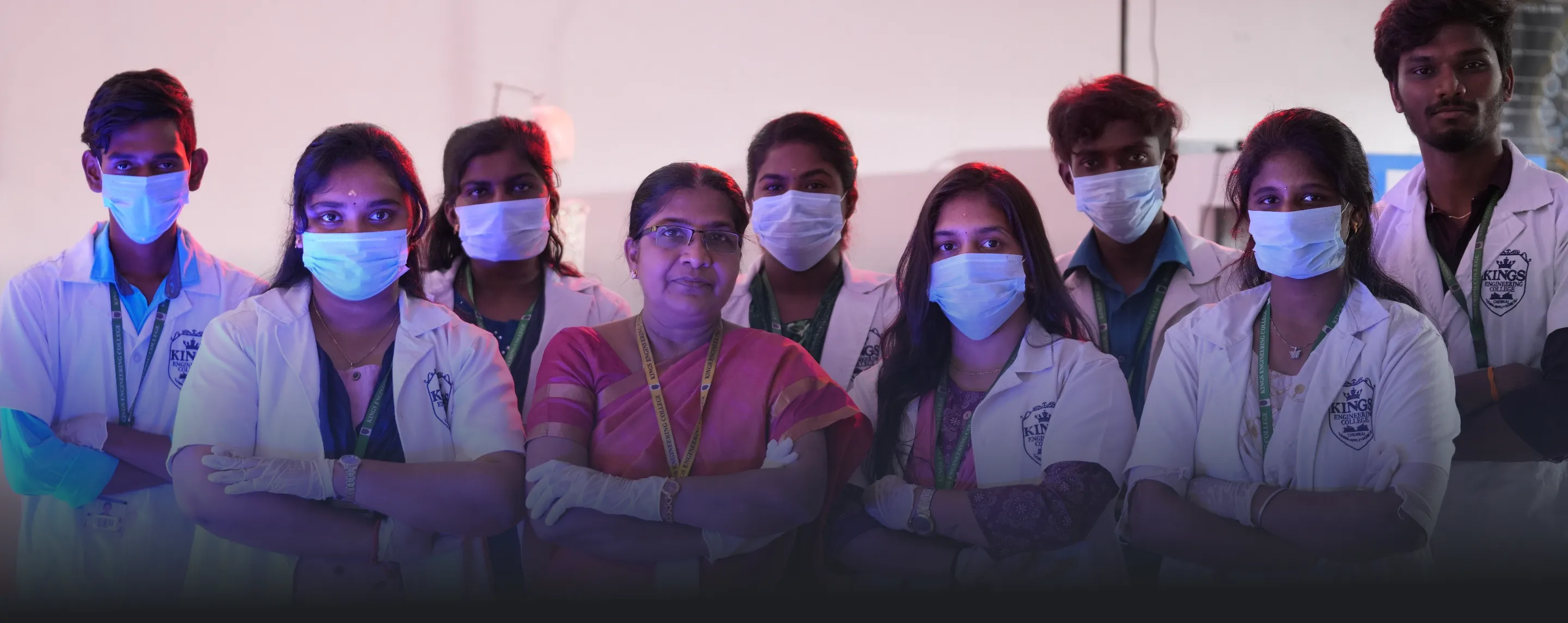
The Undergraduate Programme B.E. Biomedical Engineering started in the year 2019 and is functioning effectively to impart quality education to Undergraduate Engineering students in the field of Biomedical Engineering.

The department has highly qualified and well experienced faculties in areas like Instrumentation, Biomedical Engineering, Medical electronics, Applied Electronics and Communication Systems. The faculty members are actively involved in Teaching–Learning Process and Research activities in the field of electronics with medical applications.

The faculty members actively take part in attending and organizing various events to abreast with the latest technological advancement for the betterment of faculties, students and the institution.

VisionVision

To endorse knowledge and invention that incorporates engineering and life sciences for the progression of human health. To build a centre of academic excellence in biomedical engineering for betterment in healthcare through industrial oriented teaching and research contributions. The Biomedical engineering department is to become a centre of excellence to deliver a quality health service for the success of the country through education and research.

VisionMission

  • Arrow

    To train the students as knowledge based engineers by innovative thinking to meet the challenges in the field of medical and electronics engineering for healthier India.

  • Arrow

    To encourage faculty members and students to detonate their ingenuity to cultivate innovative products by employing modern technologies to assist the society.

  • Arrow

    To teach the students on the industrial need in biomedical engineering through significant training and value added courses.

  • Arrow

    To bring out technically passionate engineers through innovative teaching practices.

  • Arrow

    To educate students to realize that human body is a combined system, through computable engineering investigation and customizing to design better therapeutic policies, devices, and diagnostics.

Faculty List
S.NoName of the Faculty MemberQualificationDesignation
1Mr. Muthukumaraswamy PM.E., (Ph.D)Assistant Professor
2Mr. Prakash KM.E., (Ph.D)Assistant Professor
3Ms. Maria Celestina DM.EAssistant Professor
4Ms. Saranya DM.EAssistant Professor
5Mr. Ramachandran MM.EAssistant Professor
6Mrs.Swathy VM.EAssistant Professor
7Mr.R.RaghuramanM.EAssistant Professor
8Mrs.Rajakumari. RM.EAssistant Professor
9Ms.Kawshika. MM.EAssistant Professor

Programme Outcomes (POs)

PO1
Engineering Knowledge
Apply the knowledge of mathematics, science, engineering fundamentals, and an engineering specialization to the solution of complex engineering problems.
PO2
Problem Analysis
Identify, formulate, research literature, and analyze complex engineering problems reaching substantiated conclusions using first principles of mathematics, natural sciences, and engineering sciences.
PO3
Design/development of Solutions
Design solutions for complex engineering problems and design system components or processes that meet the specified needs with appropriate consideration for the public health and safety, and the cultural, societal, and environmental considerations.
PO4
Conduct Investigations of Complex Problems
Use research-based knowledge and research methods including design of experiments, analysis and interpretation of data, and synthesis of the information to provide valid conclusions.
PO5
Modern Tool usage
Create, select, and apply appropriate techniques, resources, and modern engineering and IT tools including prediction and modelling to complex engineering activities with an understanding of the limitations.
PO6
The Engineer and Society
Apply reasoning informed by the contextual knowledge to assess societal, health, safety, legal and cultural issues and the consequent responsibilities relevant to the professional engineering practice.
PO7
Environment and Sustainability
Understand the impact of the professional engineering solutions in societal and environmental contexts, and demonstrate the knowledge of, and need for sustainable development.
PO8
Ethics
Apply ethical principles and commit to professional ethics and responsibilities and norms of the engineering practice.
PO9
Individual and Team Work
Function effectively as an individual, and as a member or leader in diverse teams, and in multidisciplinary settings.
PO10
Communication
Communicate effectively on complex engineering activities with the engineering community and with society at large, such as, being able to comprehend and write effective reports and design documentation, make effective presentations, and give and receive clear instructions.
PO11
Project Management and Finance
Demonstrate knowledge and understanding of the engineering and management principles and apply these to one's own work, as a member and leader in a team, to manage projects and in multidisciplinary environments.
PO12
Life-long Learning
Recognize the need for, and have the preparation and ability to engage in independent and life-long learning in the broadest context of technological change.

Program Specific Objectives (PSOs)

PSO1
Enable the students to understand and recognize the measurements to be made with living systems, with the help of measuring devices.
PSO2
Use of software tools, mathematics, science and engineering for accurate diagnosis and therapeutic applications.
PSO3
Ability to develop automated healthcare information system for remote access.

Program Educational Objectives (PEOs)

PEO1
To educate students with quality foundation in mathematical, scientific and engineering basics which are essential to communicate, analyse and solve engineering complication in healthcare sector.
PEO2
To exhibit leadership, decision making with ethical responsibilities, utility and communicate efficiently in multidisciplinary fields of Engineering.
PEO3
To teach students with assistances for research, design and development of biomedical devices and associated integrated systems for the benefit of human society.
PEO4
To promote entrepreneurial importance among students and to create enthusiasm for use of engineering in addressing societal concerns.

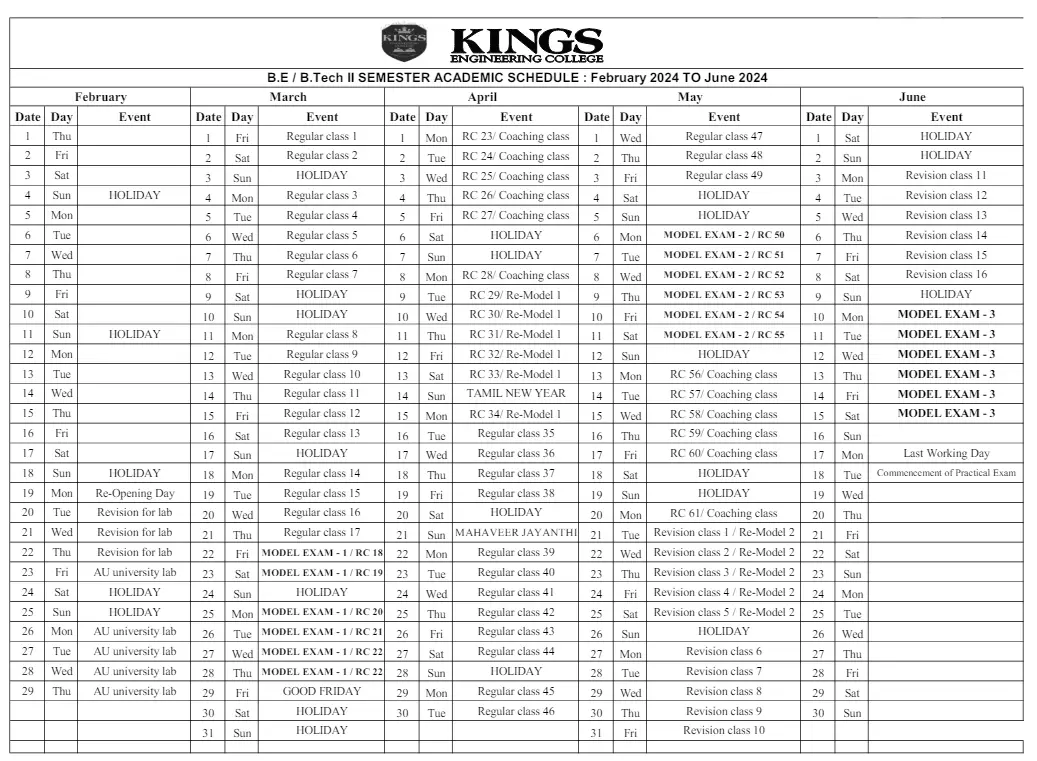
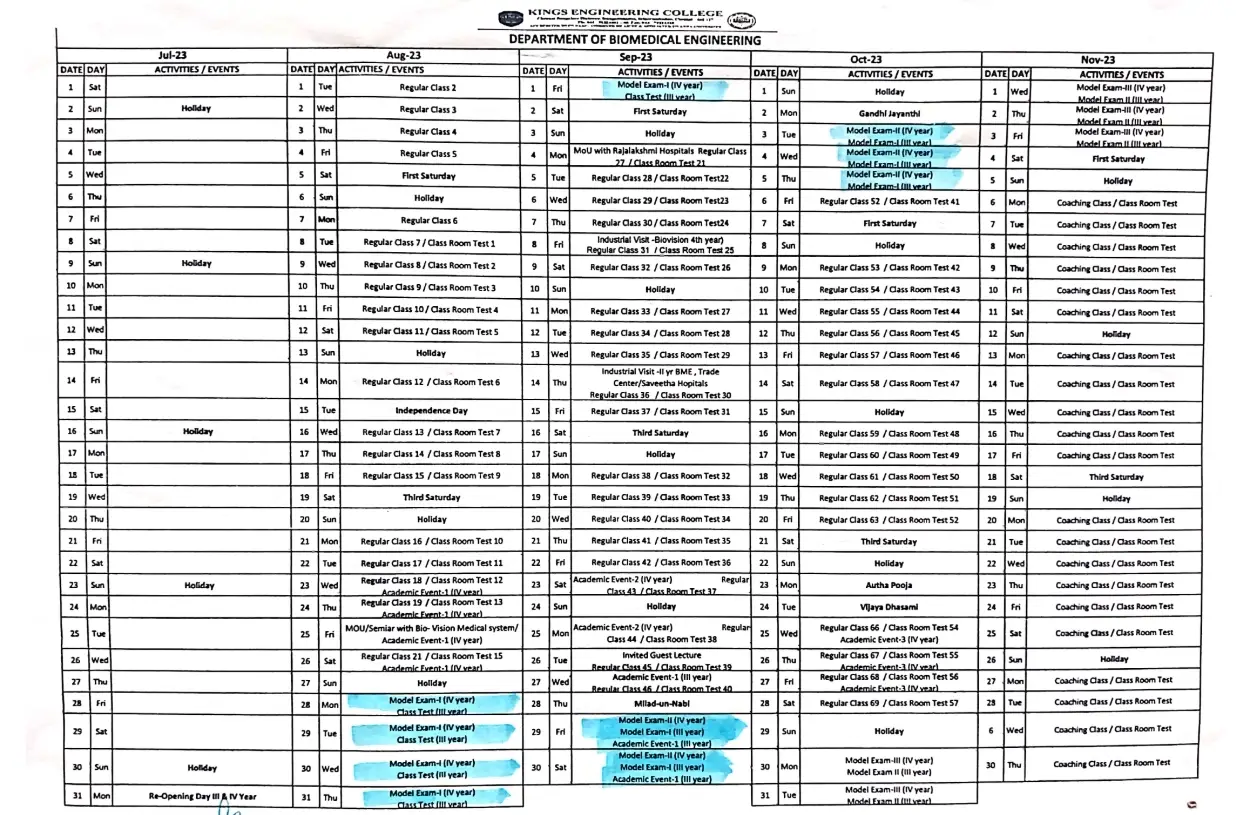
Academic Time Table

Academic Schedule
maximize
Academic Schedule
maximize

Syllabus

document
Regulation 2024
document
Regulation 2021
document
Regulation 2017

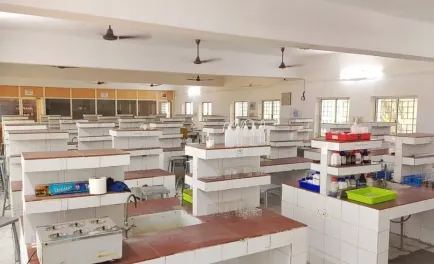
Infrastructure Facilities

3
Nos
Class rooms
3
Nos
Laboratories
1
No
HOD Room
1
No
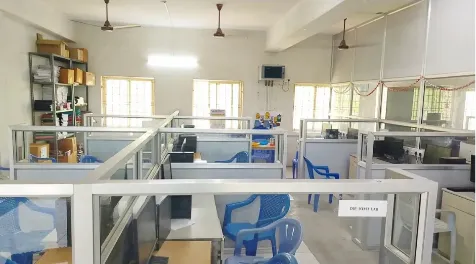
Staff room with partition
1
No
Department Library
1
No
Seminar Hall

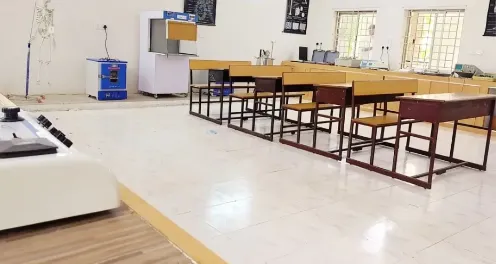
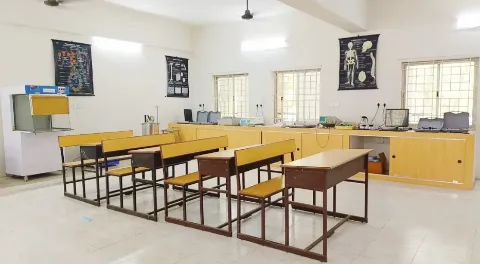
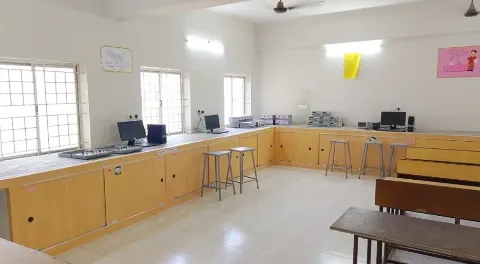
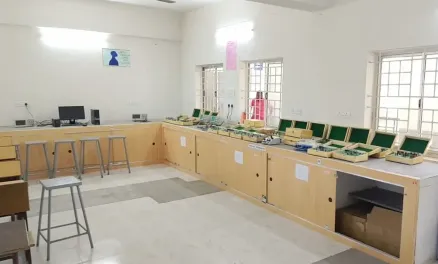
Bio Chemistry Laboratory

Laboratory
It focuses on the study of chemical substances and processes that occur in plants, animals, and microorganisms and of the changes they undergo during development and life. It deals with the chemistry of life, and as such it draws on the techniques of analytical, organic, and physical chemistry, as well as those of physiologists concerned with the molecular basis of vital processes.

Biosciences Laboratory

Laboratory
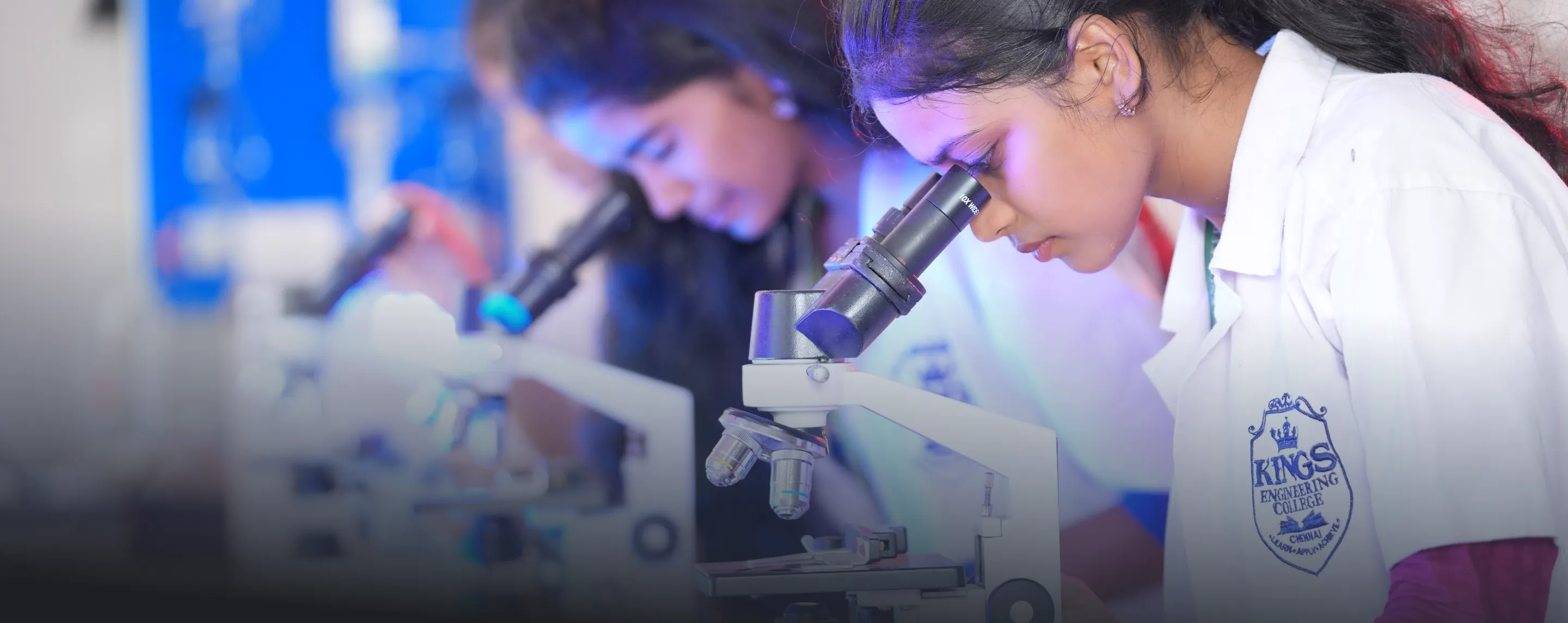
It focus on teaching the multiple science subjects including physiology, pharmacology, pharmacy, biochemistry, molecular biology, cell culture, nutrition, microbiology and other related subjects.

Pathology and Microbiology Laboratory

Laboratory
It identifies the pathogenic microbes that cause disease and distinguish them from normal flora and from environmental organisms not causing disease.

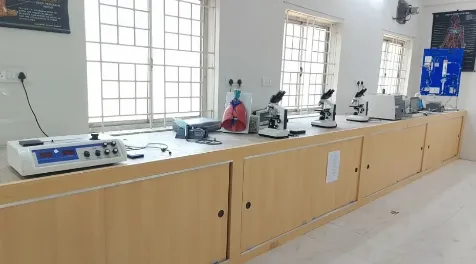
Human Physiology Laboratory

Laboratory
It demonstrates the understanding of chemical and biological principles and knowledge that serve as the foundation for understanding human anatomy and physiology.

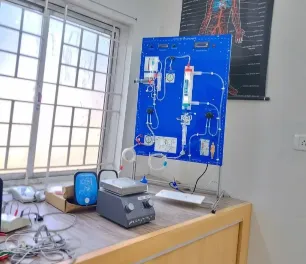
Diagnostic and Therapeutic Equipment Laboratory

Laboratory
It demonstrates the recording of various bio-potentials and the working principle of life saving equipment.

Bio Medical Instrumentation Laboratory

Laboratory
It focuses on introducing the fundamentals of transducers as applicable to physiology, exploring the human body parameter measurements setups and it makes the students to understand the basic concepts of forensic techniques.

Sensors and Measurements Laboratory

Laboratory
It familiarizes the students with various types of sensors and transducers. And, enables the students to select and design suitable instruments to meet requirements of various industrial applications.

Embedded and IoMT Laboratory

Laboratory
It enables the students and faculties of the institute to witness and be the part of the vision in which the internet prolongs into the real world embracing everyday objects.

Digital Signal Processing Laboratory

It enables the students to simulate and experiment with digital signals and systems and apply the theory they have studied in DSP courses.

Digital Image Processing Laboratory

Enhancement: Improving the quality of an image by adjusting brightness, contrast, sharpness, and reducing noise or artifacts.

Restoration: Recovering and restoring images that have been degraded due to factors like noise, blurring, or compression.

Awards/Achievements

Faculty

  • Arrow
    Mr. P. Muthukumaraswamy, Assistant Professor/BME, completed the Digital Circuits NPTEL course.
  • Arrow
    Mr. P. Muthukumaraswamy, Assistant Professor/BME, completed the Biomechanics of Joint & Orthopedic Implants NPTEL course.
  • Arrow
    Mr. P. Muthukumaraswamy, Assistant Professor/BME, completed the Switching Circuits & Logic Design NPTEL course.
  • Arrow
    Mr. P. Muthukumaraswamy, Assistant Professor/BME, completed the Biomedical Signal Processing NPTEL course.
  • Arrow
    Mr.P.Muthukumaraswamy, Assistant Professor/BME, completed the Integrated Circuits, MOSFETS, Op Amps & their Applications NPTEL course.
  • Arrow
    Mr. K. Prakash, Assistant Professor/BME, completed the Electrocardiogram-Interpretation & Application in Clinical Practice NPTEL course
  • Arrow
    Mr.K.Prakash, Assistant Professor/BME, completed the completed the Animal Physiology NPTEL course.
  • Arrow
    Ms. X. Sagaya Deva Niranjana, Assistant Professor/BME, completed the Animal Physiology NPTEL course.
  • Arrow
    Ms. X. Sagaya Deva Niranjana, Assistant Professor/BME, completed the Bioinformatics: Algorithms & Applications NPTEL course.
  • Arrow
    Ms. X. Sagaya Deva Niranjana, Assistant Professor/BME, completed the Biomechanics of Joint & Orthopedic Implants NPTEL course.

Students

student

  • Arrow
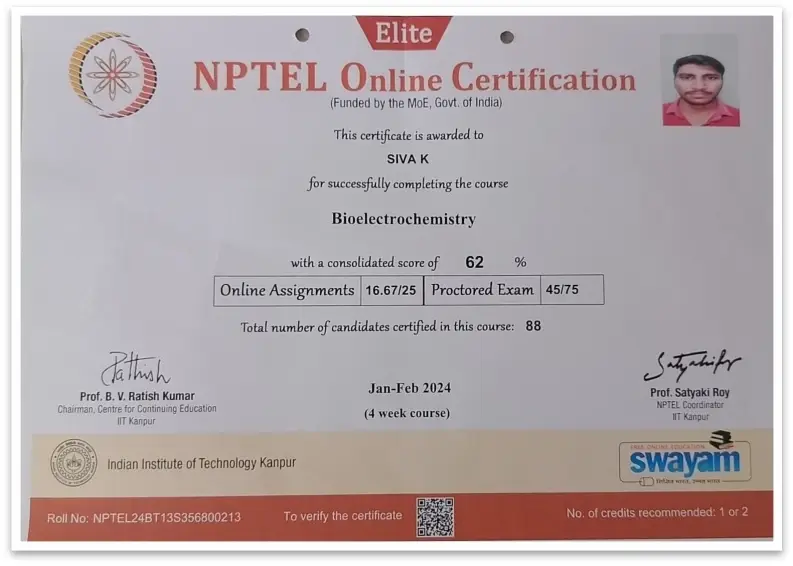
    K Siva, 3rd year Student BME, completed the Bio-electro chemistry NPTEL course.
  • Arrow
    S. Ranjith Kumar, 2nd year Student BME, completed the Animal Physiology NPTEL course.
  • Arrow
    S. Ranjith Kumar, 2nd year Student BME, completed the Medical Biomaterials NPTEL course.
  • Arrow
    S. Reshma, 4th year Student BME, completed the Bioinformatics: Algorithms & Applications NPTEL course.
  • Arrow
    P. Chriseeda Shinny, 4th year Student BME, completed the Bioinformatics: Algorithms & Applications NPTEL course.
  • Arrow
    S.Vijaysamson, 4th year Student BME, completed the Bioinformatics: Algorithms & Applications NPTEL course.
  • Arrow
    A. Aathiraja, 4th year Student BME, completed the Bioinformatics: Algorithms & Applications NPTEL course.
  • Arrow
    M. Janani Selvi, 4th year Student BME, completed the Bioinformatics: Algorithms & Applications NPTEL course.
  • Arrow
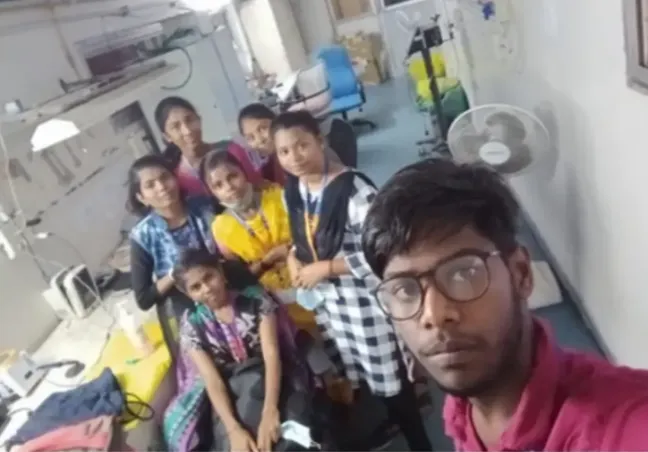
    A. Emmanuel and S. Ranjith Kumar from third year have successfully completed Period of one month internship at the Leather Sector Skill Council provided valuable hands-on experience, shaping their understanding of the industry and equipping them with essential skills for future endeavors Joel T.
  • Arrow
    George, S.L.P Rushil, V. Magesh, and S. Mohamad Nazeer Khan from final year have pioneered an innovative wearable device for real-time monitoring. This groundbreaking technology promises to revolutionize healthcare and enhance safety across industries.
  • Arrow
    R.Chanthini, P.M Jeevitha, M.Kokilavani, and S.Vinodini from final year have performed the research which unveils a sustainable approach, extracting Chitosan from Red Snapper scales to create Bioplastic Films.

Internships/Industrial Visits

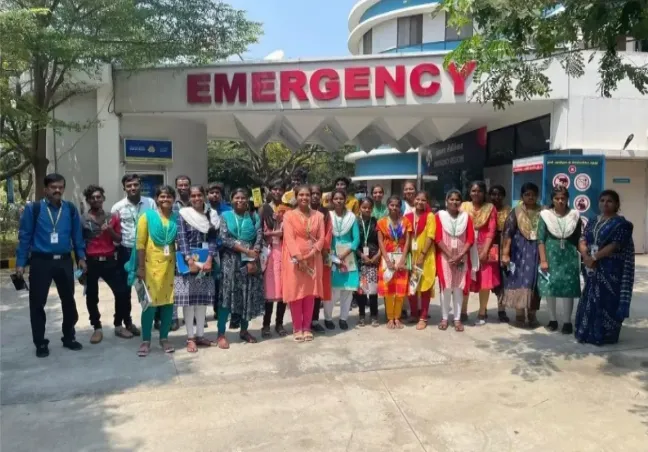
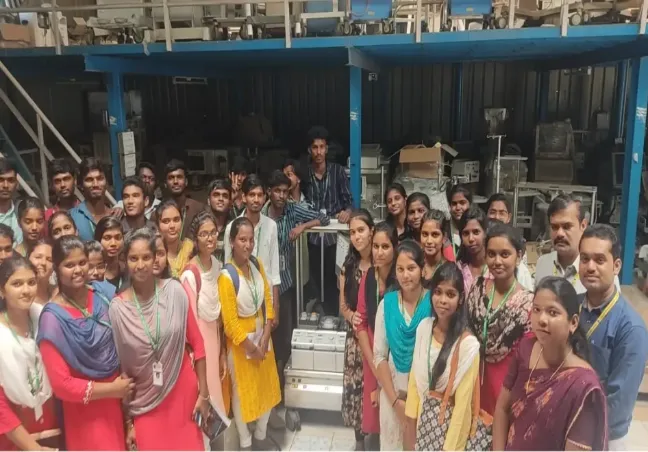
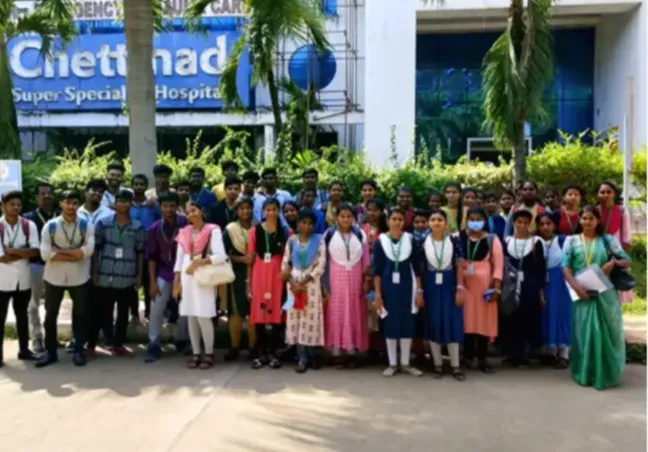
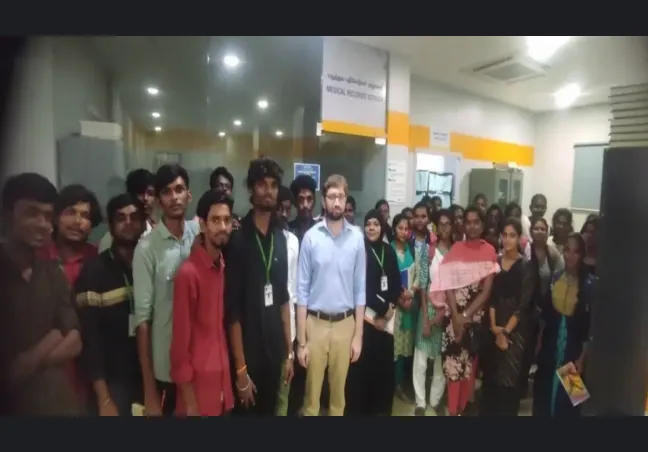
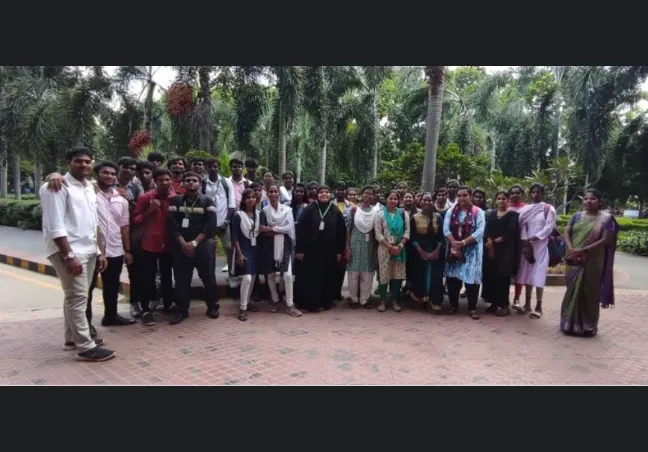
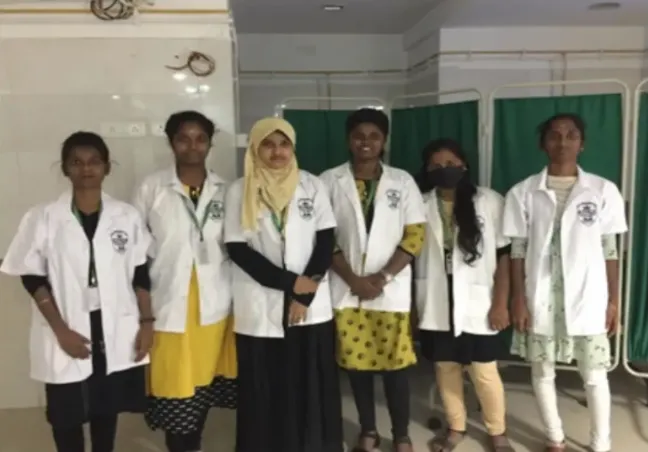
All the year students from the department of Biomedical Engineering were undergone Internship and Hospital visit to the reputed hospitals such as

  • Arrow
    Stanely Medical College Chennai
  • Arrow
    Sri Ramachandra Medical College, Chennai
  • Arrow
    Saveetha Medical College & Hospitals, Chennai
  • Arrow
    Sudar Hospitals, Chennai
  • Arrow
    Biovision Medical Systems, Chennai
  • Arrow
    Deepam Hospitals, Chennai
  • Arrow
    IIT Madras Incubation Cell Chennai
Right
Placements
Final year student's undergone Hospital visit to Vijaya Hospital, chennai on 17.02.2022
Right

MOUs

  • Arrow
    Deepam Hospitals,West Tambaram, Chennai, signed on 14.03.2022.
  • Arrow
    Atheenapandian Private Limited, Chennai, signed on 13.05.2022.
  • Arrow
    Biovision Medical Systems, Chennai, signed on 30.08.2023.
  • Arrow
    Saveetha Medical College & Hospital, Chennai, signed on 31.10.2023.
Professional Bodies

Professional Society provides exposure to the students and faculties about the current trends, interact with the like-minded people establishing the contacts across various institutions and domains thereby presenting innovative ideas and projects. Professional society's supports grant to the students and faculties innovation ideas to convert into prototypes. The department is member of ISTE, ICT Academy.

S.NoNameMembership
1ICT Academy Student chapter, Faculty chapter
2ISTEStudent chapter

About the Department

The Undergraduate Programme B.E. Biomedical Engineering started in the year 2019 and is functioning effectively to impart quality education to Undergraduate Engineering students in the field of Biomedical Engineering.

The department has highly qualified and well experienced faculties in areas like Instrumentation, Biomedical Engineering, Medical electronics, Applied Electronics and Communication Systems. The faculty members are actively involved in Teaching–Learning Process and Research activities in the field of electronics with medical applications.

The faculty members actively take part in attending and organizing various events to abreast with the latest technological advancement for the betterment of faculties, students and the institution.

VisionVision

To endorse knowledge and invention that incorporates engineering and life sciences for the progression of human health. To build a centre of academic excellence in biomedical engineering for betterment in healthcare through industrial oriented teaching and research contributions. The Biomedical engineering department is to become a centre of excellence to deliver a quality health service for the success of the country through education and research.

VisionMission

  • Arrow

    To train the students as knowledge based engineers by innovative thinking to meet the challenges in the field of medical and electronics engineering for healthier India.

  • Arrow

    To encourage faculty members and students to detonate their ingenuity to cultivate innovative products by employing modern technologies to assist the society.

  • Arrow

    To teach the students on the industrial need in biomedical engineering through significant training and value added courses.

  • Arrow

    To bring out technically passionate engineers through innovative teaching practices.

  • Arrow

    To educate students to realize that human body is a combined system, through computable engineering investigation and customizing to design better therapeutic policies, devices, and diagnostics.

Faculty List
S.NoName of the Faculty MemberQualificationDesignation
1Mr. Muthukumaraswamy PM.E., (Ph.D)Assistant Professor
2Mr. Prakash KM.E., (Ph.D)Assistant Professor
3Ms. Maria Celestina DM.EAssistant Professor
4Ms. Saranya DM.EAssistant Professor
5Mr. Ramachandran MM.EAssistant Professor
6Mrs.Swathy VM.EAssistant Professor
7Mr.R.RaghuramanM.EAssistant Professor
8Mrs.Rajakumari. RM.EAssistant Professor
9Ms.Kawshika. MM.EAssistant Professor

Programme Outcomes (POs)

PO1
Engineering Knowledge
Apply the knowledge of mathematics, science, engineering fundamentals, and an engineering specialization to the solution of complex engineering problems.
PO2
Problem Analysis
Identify, formulate, research literature, and analyze complex engineering problems reaching substantiated conclusions using first principles of mathematics, natural sciences, and engineering sciences.
PO3
Design/development of Solutions
Design solutions for complex engineering problems and design system components or processes that meet the specified needs with appropriate consideration for the public health and safety, and the cultural, societal, and environmental considerations.
PO4
Conduct Investigations of Complex Problems
Use research-based knowledge and research methods including design of experiments, analysis and interpretation of data, and synthesis of the information to provide valid conclusions.
PO5
Modern Tool usage
Create, select, and apply appropriate techniques, resources, and modern engineering and IT tools including prediction and modelling to complex engineering activities with an understanding of the limitations.
PO6
The Engineer and Society
Apply reasoning informed by the contextual knowledge to assess societal, health, safety, legal and cultural issues and the consequent responsibilities relevant to the professional engineering practice.
PO7
Environment and Sustainability
Understand the impact of the professional engineering solutions in societal and environmental contexts, and demonstrate the knowledge of, and need for sustainable development.
PO8
Ethics
Apply ethical principles and commit to professional ethics and responsibilities and norms of the engineering practice.
PO9
Individual and Team Work
Function effectively as an individual, and as a member or leader in diverse teams, and in multidisciplinary settings.
PO10
Communication
Communicate effectively on complex engineering activities with the engineering community and with society at large, such as, being able to comprehend and write effective reports and design documentation, make effective presentations, and give and receive clear instructions.
PO11
Project Management and Finance
Demonstrate knowledge and understanding of the engineering and management principles and apply these to one's own work, as a member and leader in a team, to manage projects and in multidisciplinary environments.
PO12
Life-long Learning
Recognize the need for, and have the preparation and ability to engage in independent and life-long learning in the broadest context of technological change.

Program Specific Objectives (PSOs)

PSO1
Enable the students to understand and recognize the measurements to be made with living systems, with the help of measuring devices.
PSO2
Use of software tools, mathematics, science and engineering for accurate diagnosis and therapeutic applications.
PSO3
Ability to develop automated healthcare information system for remote access.

Program Educational Objectives (PEOs)

PEO1
To educate students with quality foundation in mathematical, scientific and engineering basics which are essential to communicate, analyse and solve engineering complication in healthcare sector.
PEO2
To exhibit leadership, decision making with ethical responsibilities, utility and communicate efficiently in multidisciplinary fields of Engineering.
PEO3
To teach students with assistances for research, design and development of biomedical devices and associated integrated systems for the benefit of human society.
PEO4
To promote entrepreneurial importance among students and to create enthusiasm for use of engineering in addressing societal concerns.

Academic Time Table

Academic Schedule
maximize
Academic Schedule
maximize

Syllabus

document
Regulation 2024
document
Regulation 2021
document
Regulation 2017

Infrastructure Facilities

3
Nos
Class rooms
3
Nos
Laboratories
1
No
HOD Room
1
No
Staff room with partition
1
No
Department Library
1
No
Seminar Hall

Bio Chemistry Laboratory

Laboratory
It focuses on the study of chemical substances and processes that occur in plants, animals, and microorganisms and of the changes they undergo during development and life. It deals with the chemistry of life, and as such it draws on the techniques of analytical, organic, and physical chemistry, as well as those of physiologists concerned with the molecular basis of vital processes.

Biosciences Laboratory

Laboratory
It focus on teaching the multiple science subjects including physiology, pharmacology, pharmacy, biochemistry, molecular biology, cell culture, nutrition, microbiology and other related subjects.

Pathology and Microbiology Laboratory

Laboratory
It identifies the pathogenic microbes that cause disease and distinguish them from normal flora and from environmental organisms not causing disease.

Human Physiology Laboratory

Laboratory
It demonstrates the understanding of chemical and biological principles and knowledge that serve as the foundation for understanding human anatomy and physiology.

Diagnostic and Therapeutic Equipment Laboratory

Laboratory
It demonstrates the recording of various bio-potentials and the working principle of life saving equipment.

Bio Medical Instrumentation Laboratory

Laboratory
It focuses on introducing the fundamentals of transducers as applicable to physiology, exploring the human body parameter measurements setups and it makes the students to understand the basic concepts of forensic techniques.

Sensors and Measurements Laboratory

Laboratory
It familiarizes the students with various types of sensors and transducers. And, enables the students to select and design suitable instruments to meet requirements of various industrial applications.

Embedded and IoMT Laboratory

Laboratory
It enables the students and faculties of the institute to witness and be the part of the vision in which the internet prolongs into the real world embracing everyday objects.

Digital Signal Processing Laboratory

It enables the students to simulate and experiment with digital signals and systems and apply the theory they have studied in DSP courses.

Digital Image Processing Laboratory

Enhancement: Improving the quality of an image by adjusting brightness, contrast, sharpness, and reducing noise or artifacts.

Restoration: Recovering and restoring images that have been degraded due to factors like noise, blurring, or compression.

Awards/Achievements

Faculty

  • Arrow
    Mr. P. Muthukumaraswamy, Assistant Professor/BME, completed the Digital Circuits NPTEL course.
  • Arrow
    Mr. P. Muthukumaraswamy, Assistant Professor/BME, completed the Biomechanics of Joint & Orthopedic Implants NPTEL course.
  • Arrow
    Mr. P. Muthukumaraswamy, Assistant Professor/BME, completed the Switching Circuits & Logic Design NPTEL course.
  • Arrow
    Mr. P. Muthukumaraswamy, Assistant Professor/BME, completed the Biomedical Signal Processing NPTEL course.
  • Arrow
    Mr.P.Muthukumaraswamy, Assistant Professor/BME, completed the Integrated Circuits, MOSFETS, Op Amps & their Applications NPTEL course.
  • Arrow
    Mr. K. Prakash, Assistant Professor/BME, completed the Electrocardiogram-Interpretation & Application in Clinical Practice NPTEL course
  • Arrow
    Mr.K.Prakash, Assistant Professor/BME, completed the completed the Animal Physiology NPTEL course.
  • Arrow
    Ms. X. Sagaya Deva Niranjana, Assistant Professor/BME, completed the Animal Physiology NPTEL course.
  • Arrow
    Ms. X. Sagaya Deva Niranjana, Assistant Professor/BME, completed the Bioinformatics: Algorithms & Applications NPTEL course.
  • Arrow
    Ms. X. Sagaya Deva Niranjana, Assistant Professor/BME, completed the Biomechanics of Joint & Orthopedic Implants NPTEL course.

Students

student

  • Arrow
    K Siva, 3rd year Student BME, completed the Bio-electro chemistry NPTEL course.
  • Arrow
    S. Ranjith Kumar, 2nd year Student BME, completed the Animal Physiology NPTEL course.
  • Arrow
    S. Ranjith Kumar, 2nd year Student BME, completed the Medical Biomaterials NPTEL course.
  • Arrow
    S. Reshma, 4th year Student BME, completed the Bioinformatics: Algorithms & Applications NPTEL course.
  • Arrow
    P. Chriseeda Shinny, 4th year Student BME, completed the Bioinformatics: Algorithms & Applications NPTEL course.
  • Arrow
    S.Vijaysamson, 4th year Student BME, completed the Bioinformatics: Algorithms & Applications NPTEL course.
  • Arrow
    A. Aathiraja, 4th year Student BME, completed the Bioinformatics: Algorithms & Applications NPTEL course.
  • Arrow
    M. Janani Selvi, 4th year Student BME, completed the Bioinformatics: Algorithms & Applications NPTEL course.
  • Arrow
    A. Emmanuel and S. Ranjith Kumar from third year have successfully completed Period of one month internship at the Leather Sector Skill Council provided valuable hands-on experience, shaping their understanding of the industry and equipping them with essential skills for future endeavors Joel T.
  • Arrow
    George, S.L.P Rushil, V. Magesh, and S. Mohamad Nazeer Khan from final year have pioneered an innovative wearable device for real-time monitoring. This groundbreaking technology promises to revolutionize healthcare and enhance safety across industries.
  • Arrow
    R.Chanthini, P.M Jeevitha, M.Kokilavani, and S.Vinodini from final year have performed the research which unveils a sustainable approach, extracting Chitosan from Red Snapper scales to create Bioplastic Films.

Internships/Industrial Visits

All the year students from the department of Biomedical Engineering were undergone Internship and Hospital visit to the reputed hospitals such as

  • Arrow
    Stanely Medical College Chennai
  • Arrow
    Sri Ramachandra Medical College, Chennai
  • Arrow
    Saveetha Medical College & Hospitals, Chennai
  • Arrow
    Sudar Hospitals, Chennai
  • Arrow
    Biovision Medical Systems, Chennai
  • Arrow
    Deepam Hospitals, Chennai
  • Arrow
    IIT Madras Incubation Cell Chennai
Right
Placements
Final year student's undergone Hospital visit to Vijaya Hospital, chennai on 17.02.2022
Right

MOUs

  • Arrow
    Deepam Hospitals,West Tambaram, Chennai, signed on 14.03.2022.
  • Arrow
    Atheenapandian Private Limited, Chennai, signed on 13.05.2022.
  • Arrow
    Biovision Medical Systems, Chennai, signed on 30.08.2023.
  • Arrow
    Saveetha Medical College & Hospital, Chennai, signed on 31.10.2023.
Professional Bodies

Professional Society provides exposure to the students and faculties about the current trends, interact with the like-minded people establishing the contacts across various institutions and domains thereby presenting innovative ideas and projects. Professional society's supports grant to the students and faculties innovation ideas to convert into prototypes. The department is member of ISTE, ICT Academy.

S.NoNameMembership
1ICT Academy Student chapter, Faculty chapter
2ISTEStudent chapter